Case Study
When a Pilot Test Reveals a Product Risk
Client: Consumer brand targeting high-net-worth audiences.
When pilot validation revealed a low-probability failure risk, CNL took full accountability, absorbing the cost of return, root-cause analysis, and corrective action to protect the product launch.
CNL Innovations 1 min read
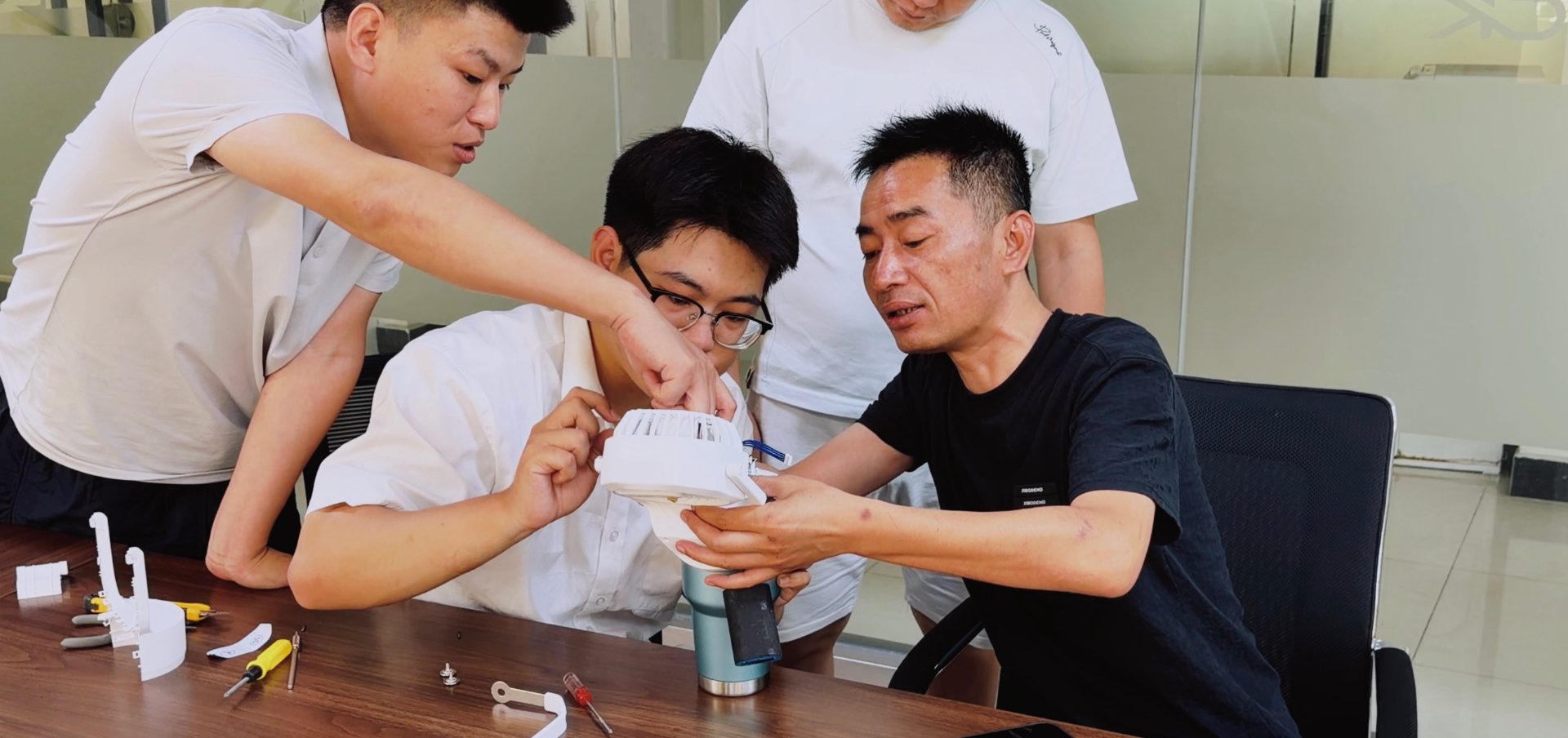
Case Record
Client Context
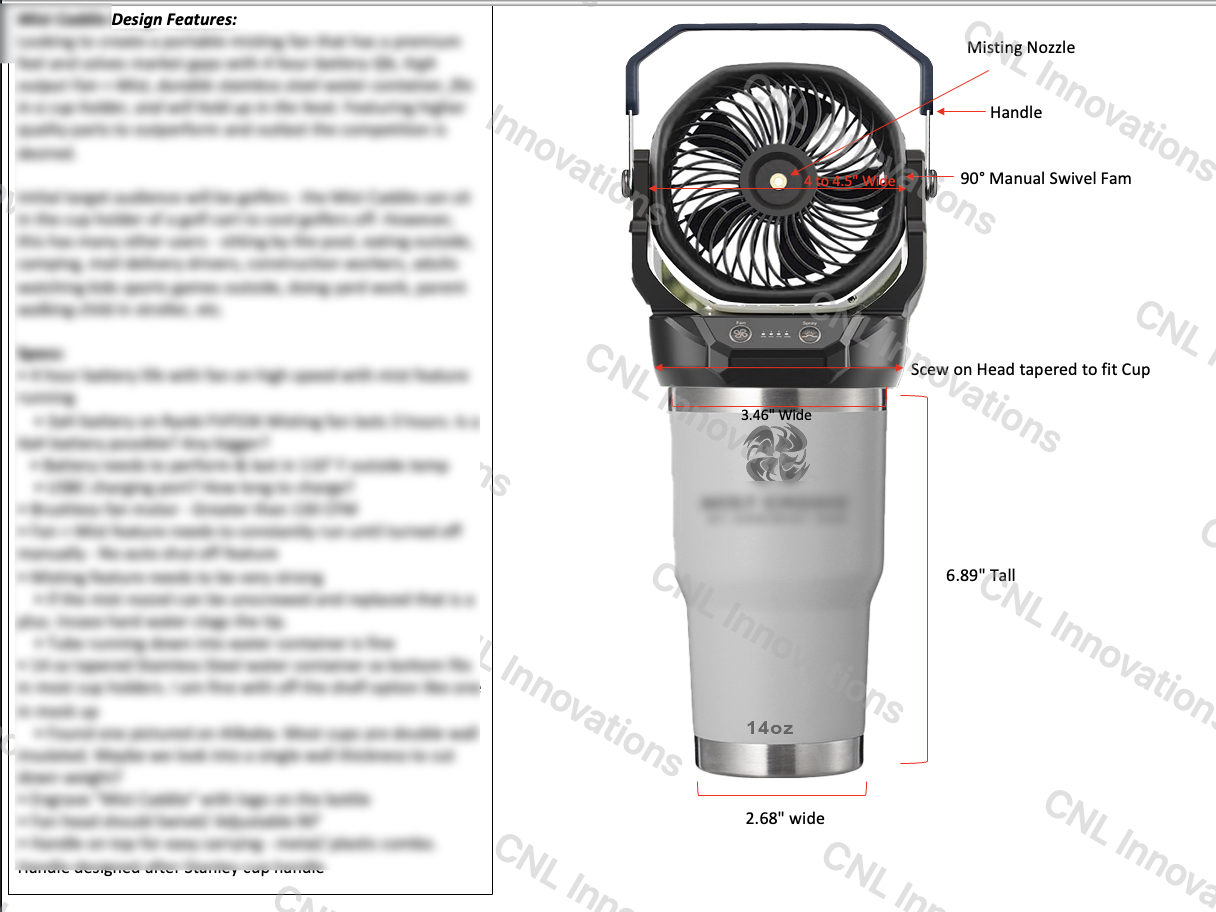
The client is a consumer brand targeting high-net-worth golf enthusiasts, to validate a new outdoor cooling product developed from the ground up.
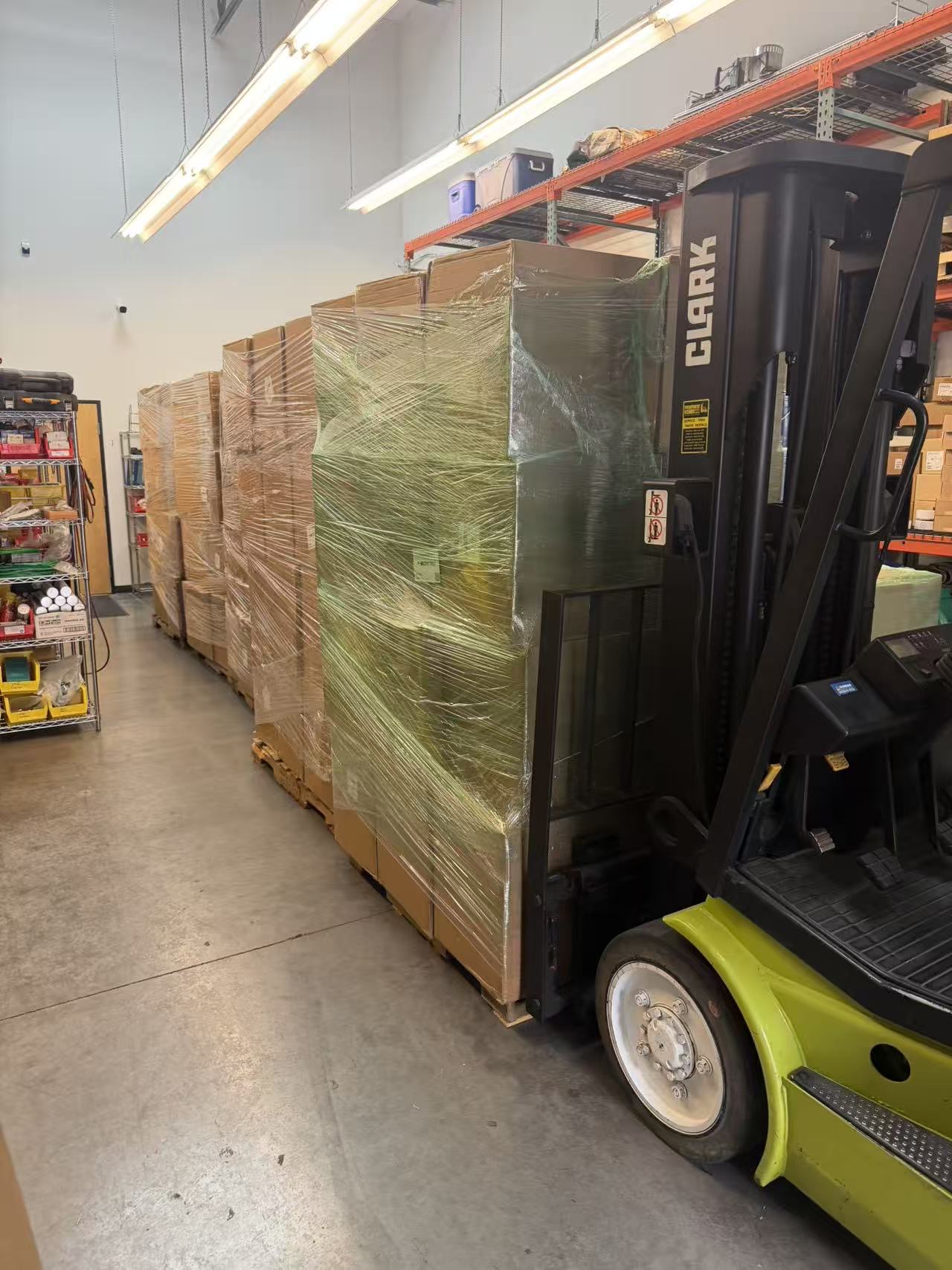
After completing prototype validation and pilot production, the product entered early market testing through a 2,000-unit pilot batch.
The Client Problem
Early customer feedback confirmed strong market interest.
During pilot validation, a small number of units revealed an unexpected water leakage risk under specific usage conditions, requiring resolution before broader market expansion.
CNL’s Responsibility
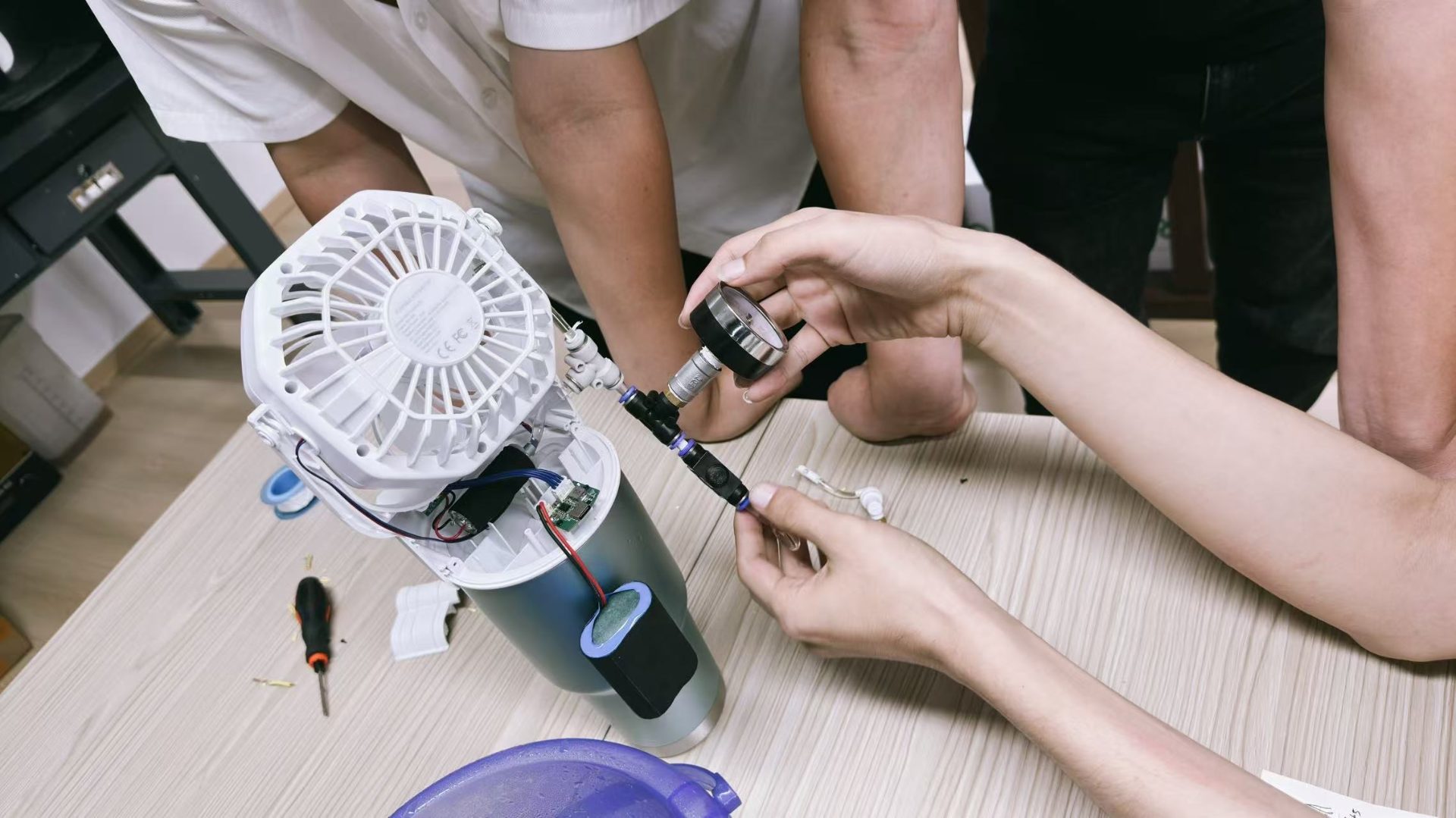
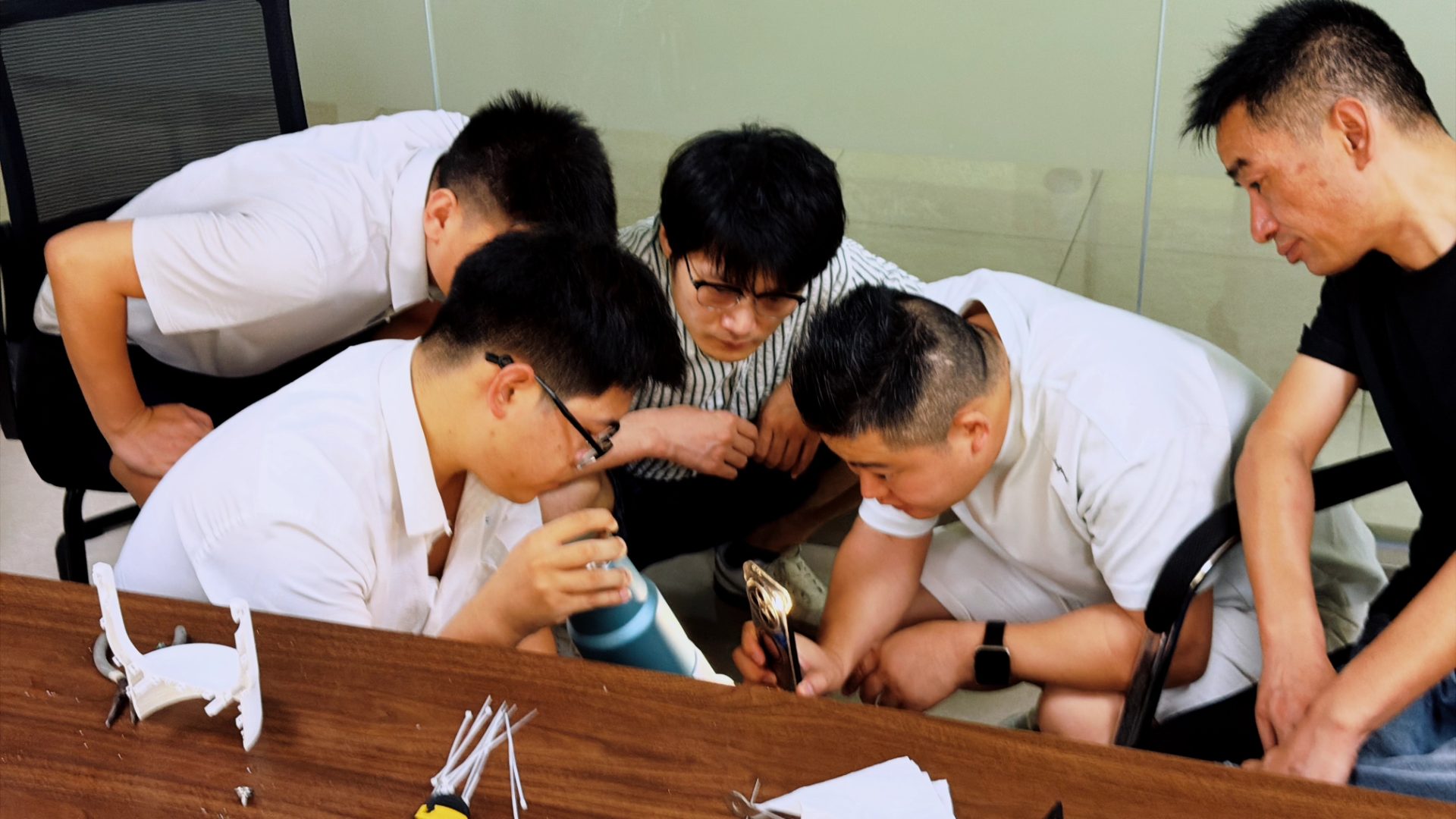
CNL took full ownership of the issue, conducting root-cause analysis and managing the complete corrective action process.
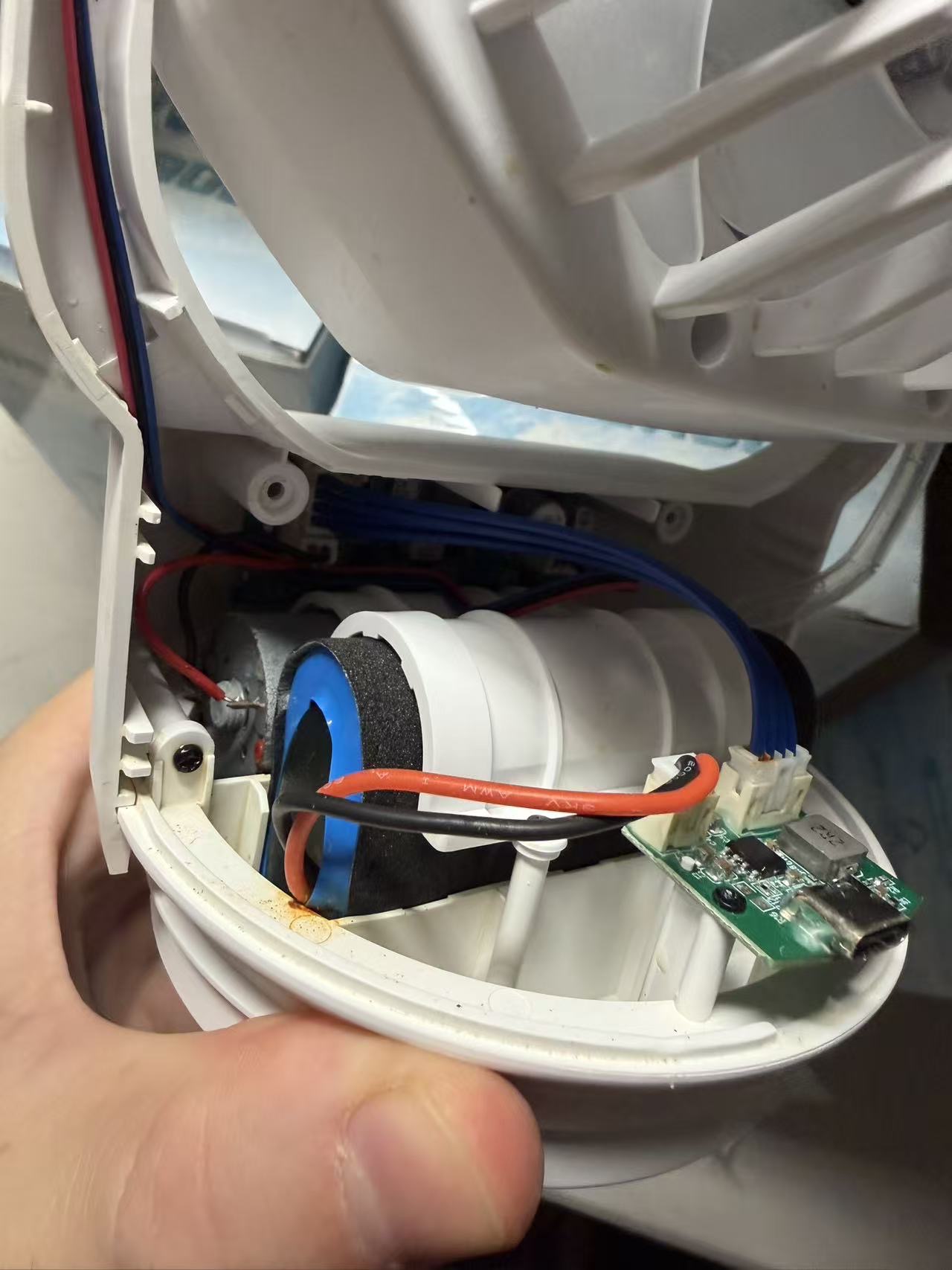
The team identified the pressure-related cause, improved the affected components, and completed rework across the pilot batch before continued rollout.
Key Decisions
CNL authorized a full return via air freight at our own expense and established a dedicated failure analysis task force.
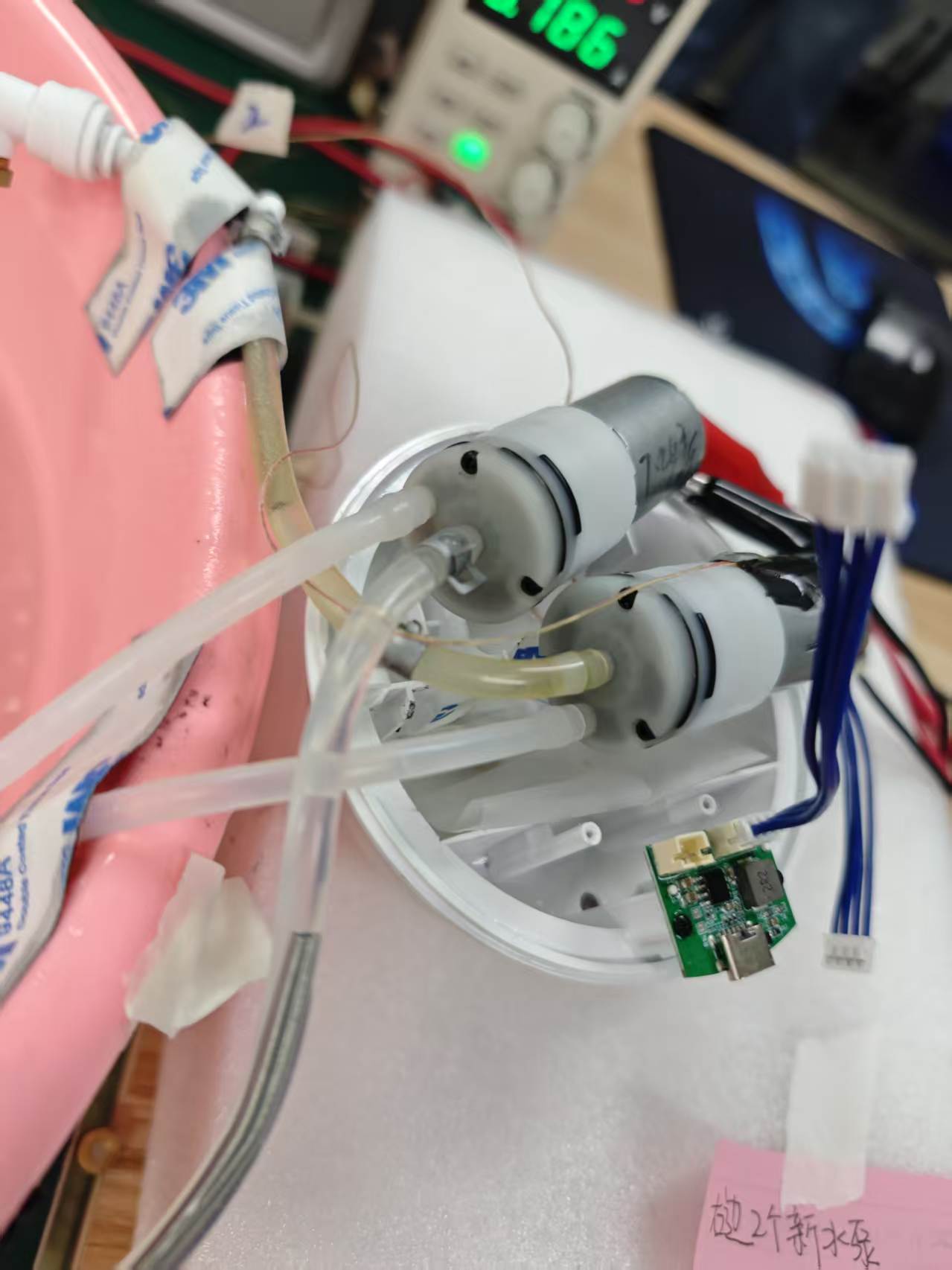
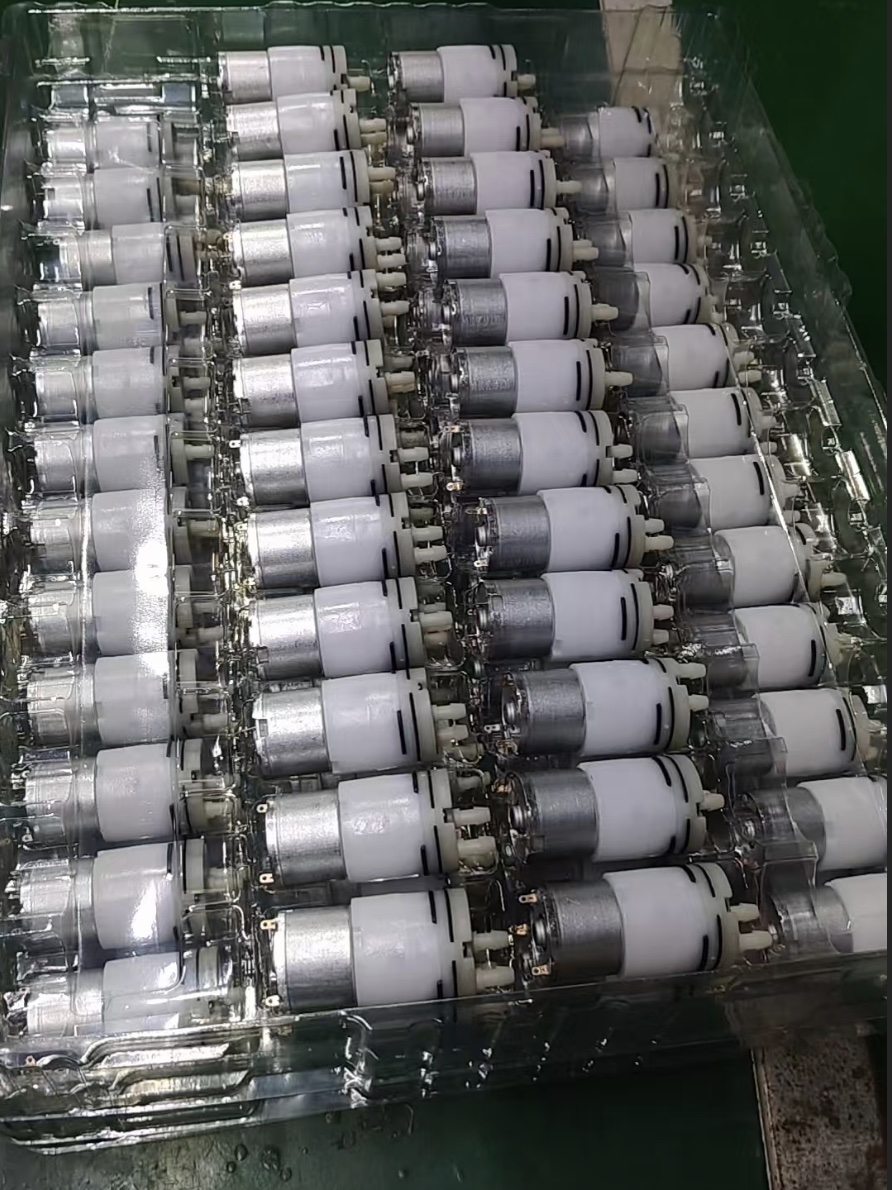
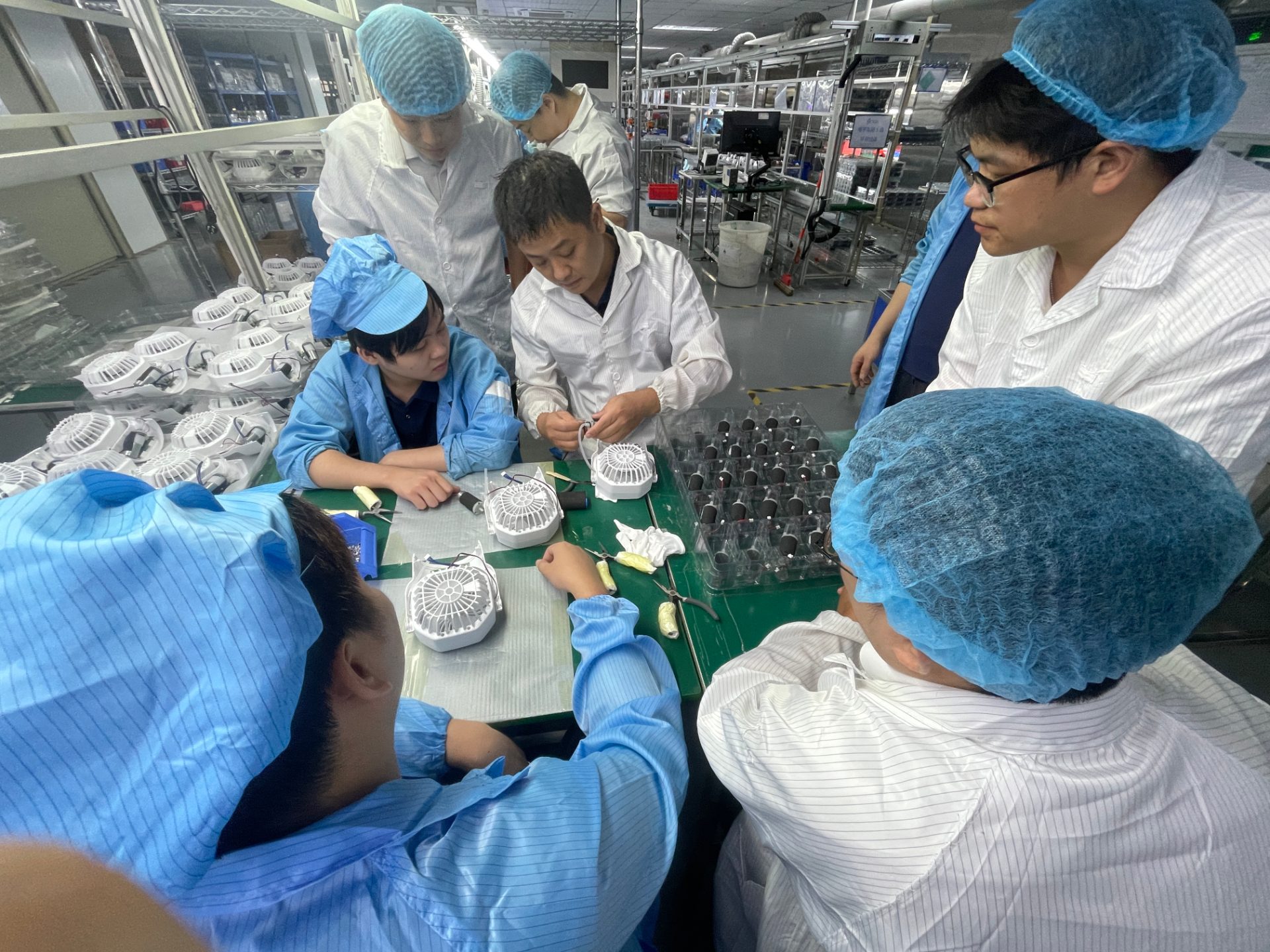
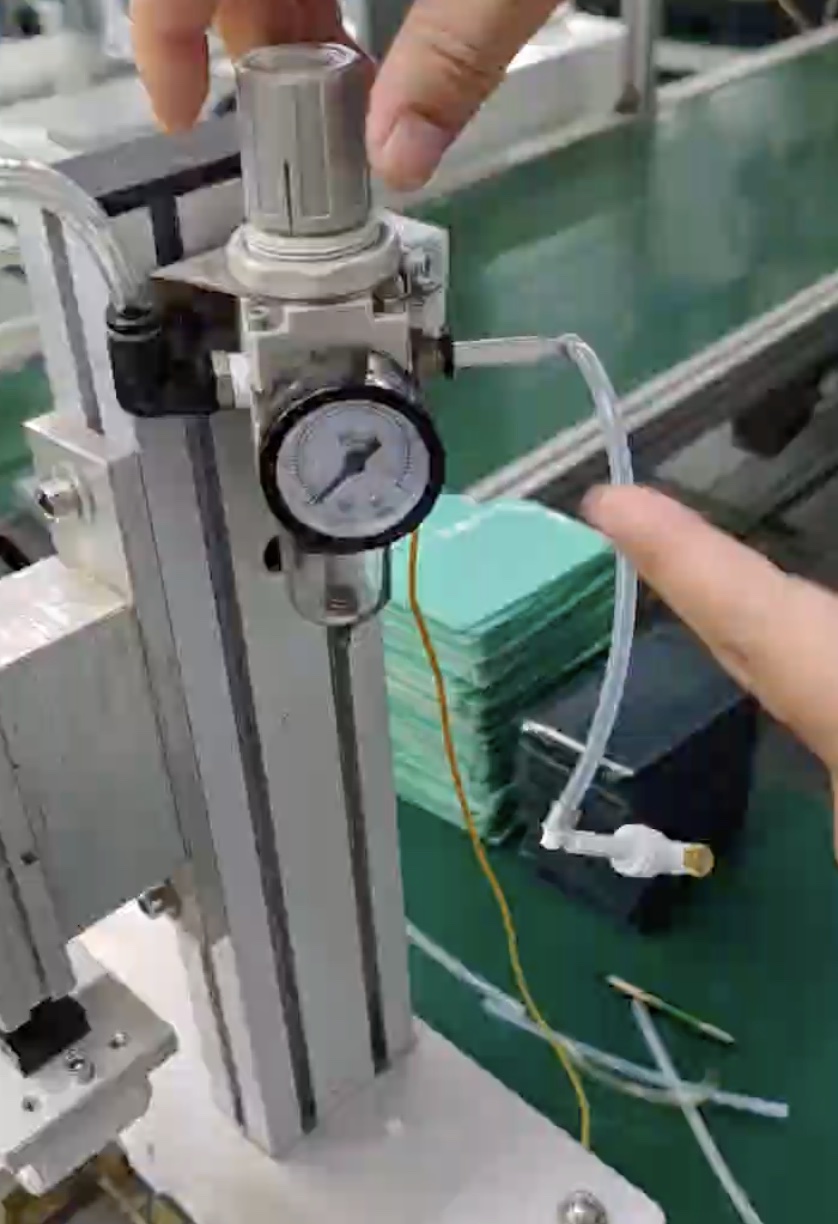
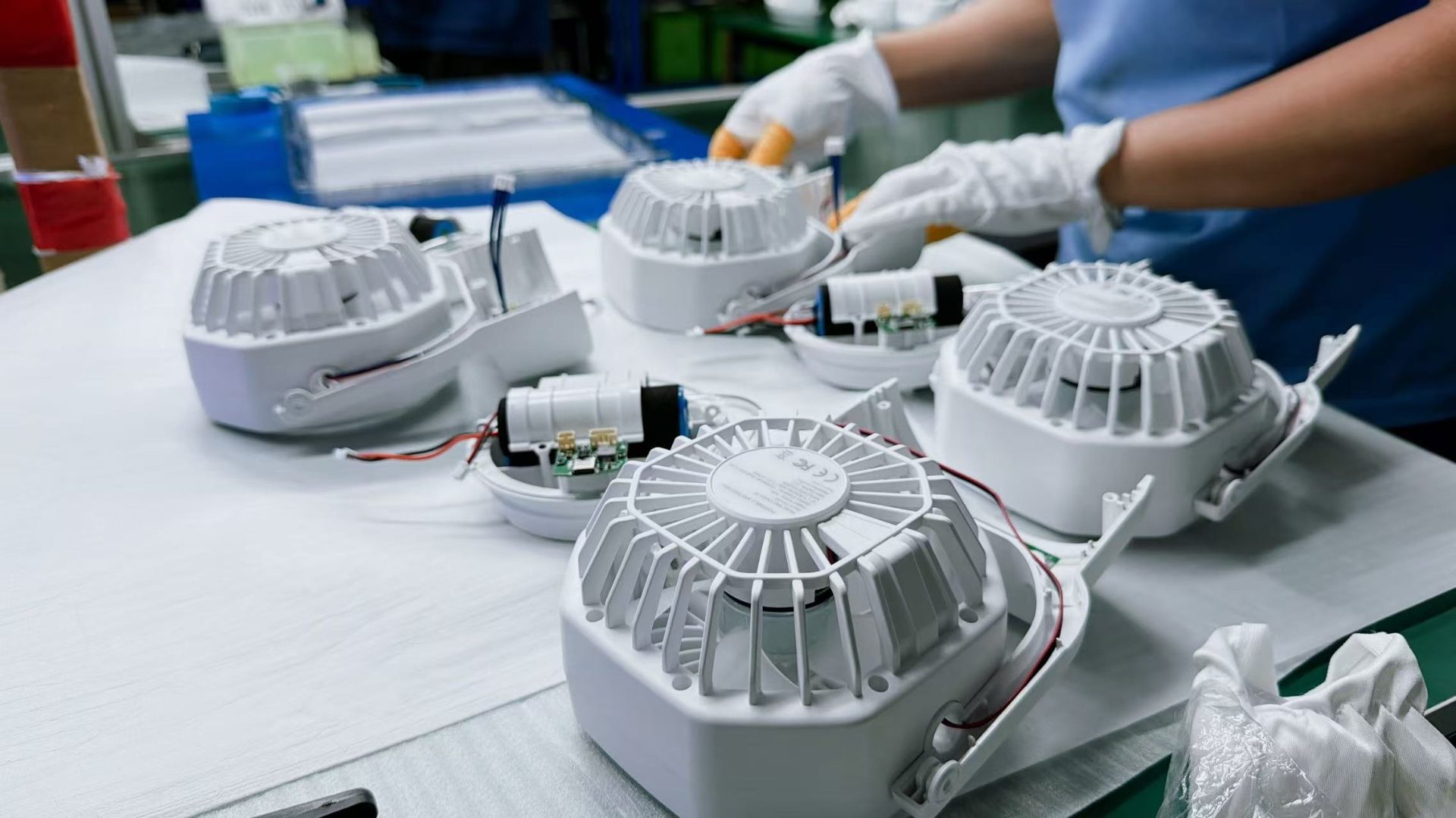
The team traced the root cause to excessive water pump pressure causing pipe ruptures under specific conditions. CNL reworked all 2,000 units, replacing the vulnerable components with an optimized iteration, and air-freighted the corrected inventory back to the client.
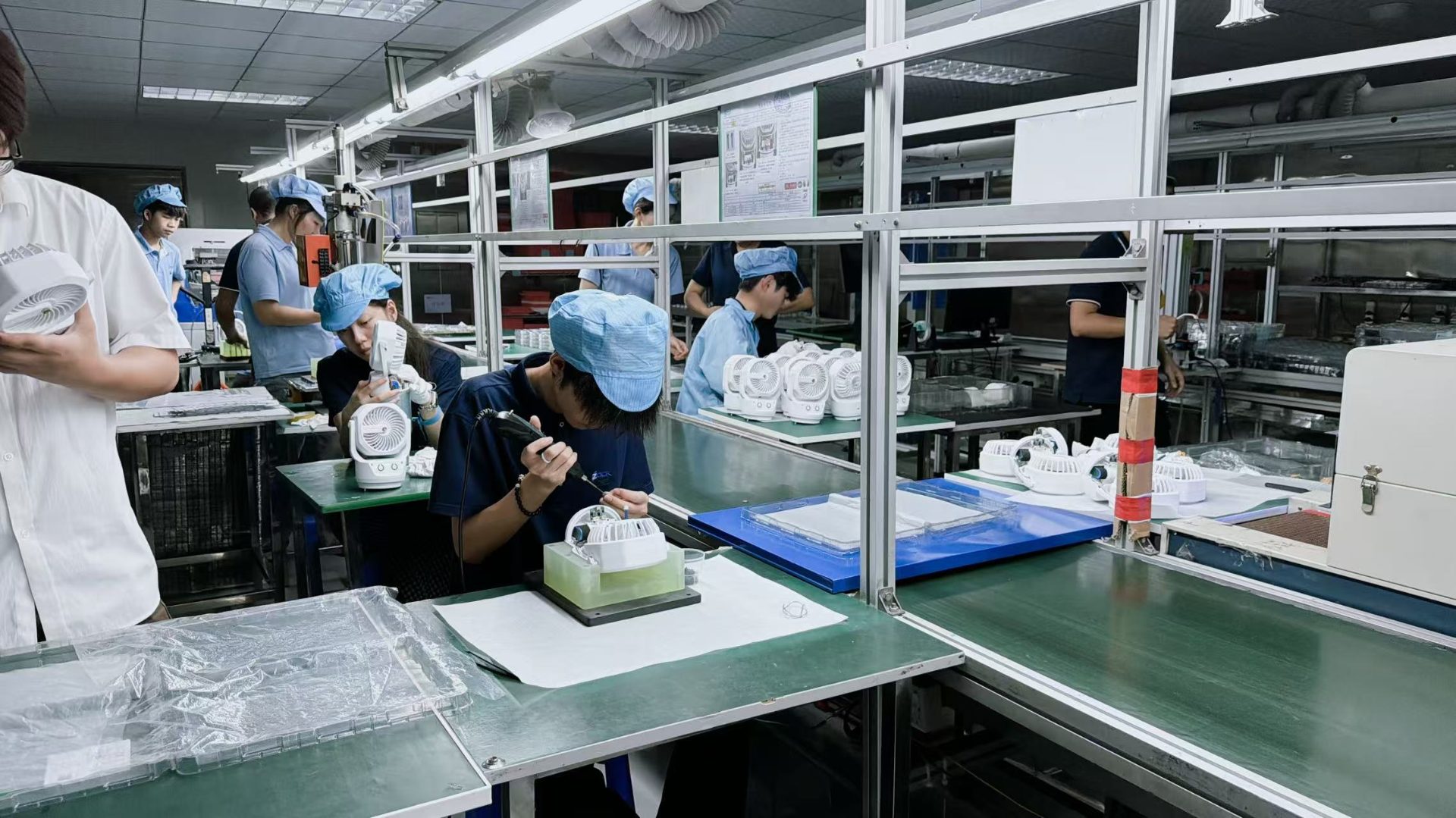
Beyond the immediate correction, CNL updated production work instructions (WIs) and deployed additional quality checkpoints on the assembly line to prevent recurrence in future production runs.
Measured Outcome
The issue was fully resolved before large-scale commercialization.
- 100% resolution of the identified risk
- Zero additional cost impact to the client
- Complete corrective action within one month, including logistics and rework, keeping the seasonal sales window and expansion timeline on track
- No end-customer impact after the corrected product returned to market
Disclosure
Client details are anonymized to protect proprietary product development.